Surgical sperm retrieval directly from the testicles for men with azoospermia — making biological fatherhood possible where it might otherwise not be.
For men with no sperm in their ejaculate — a condition called azoospermia — TESA and TESE are procedures that retrieve sperm directly from the testicles. When sperm cannot reach the semen due to a blockage, or when sperm production is reduced but still occurring within the testes, these minimally invasive surgical techniques can make biological fatherhood possible.
TESA (Testicular Sperm Aspiration) involves using a fine needle to aspirate sperm directly from the testicular tissue. TESE (Testicular Sperm Extraction) involves a small surgical biopsy of testicular tissue from which sperm are then identified and extracted in the laboratory. The choice between TESA and TESE depends on the underlying cause of azoospermia.
Sperm retrieved through TESA or TESE is used in combination with ICSI — injected directly into the egg — to achieve fertilisation. Even a very small number of retrieved sperm is sufficient for this purpose.
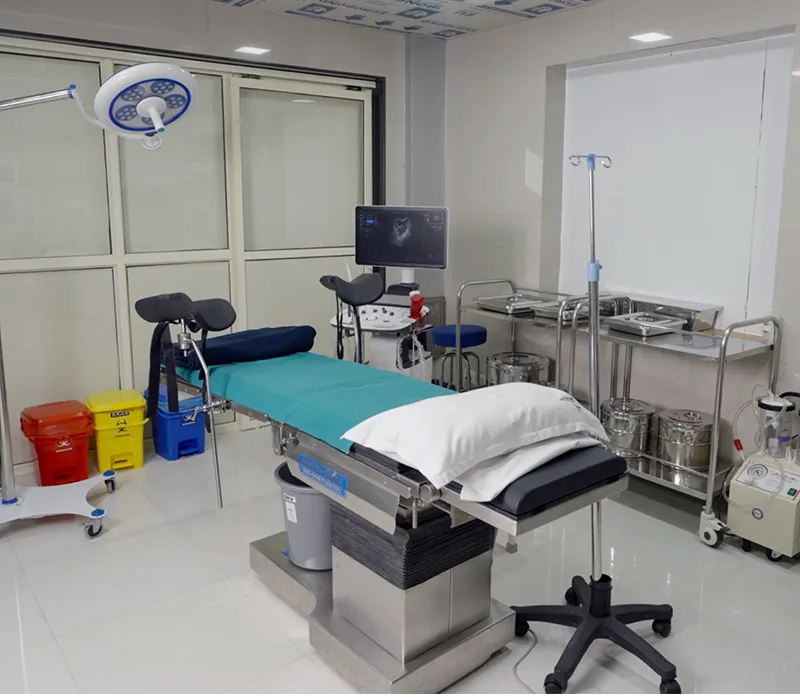

A fine needle is passed into the testicle to aspirate a small amount of fluid and tissue, from which sperm are extracted. TESA is the least invasive option and is typically used in cases of obstructive azoospermia — where sperm is produced normally but cannot exit the body due to a blockage (e.g., following vasectomy, infection, or congenital absence of the vas deferens).
A small surgical incision is made in the testicle to remove a tiny piece of testicular tissue. This tissue is examined in the laboratory to identify sperm. TESE is used when TESA has not yielded sperm, or in cases of non-obstructive azoospermia where sperm production is reduced but focal areas of sperm production may still exist within the testicular tissue.
TESA is typically performed under local anaesthesia as an outpatient procedure. TESE requires light general anaesthesia or sedation. Both procedures are short — 20–45 minutes — and recovery is generally quick. Mild discomfort and swelling in the days following the procedure are normal. The retrieved sperm can be used fresh or frozen for future use.
A male fertility assessment and semen analysis are the starting points before any TESA or TESE procedure is planned. Your doctor will ensure that a thorough evaluation — including hormonal blood tests and, where appropriate, genetic testing — is completed first. Understanding the cause of azoospermia is essential for choosing the right retrieval method and setting realistic expectations.
In obstructive azoospermia, sperm retrieval with TESA is successful in approximately 90% of cases. In non-obstructive azoospermia, the success rate for TESE is lower — around 40–60% — because sperm production may be absent in some areas of the testicle. Your doctor will discuss realistic expectations based on your hormonal and testicular profile.
The procedure is performed under local anaesthesia (TESA) or sedation (TESE), so you will not feel pain during it. Some men experience mild soreness and swelling in the days following, which is normal and resolves with rest and mild pain relief.
Yes. Sperm retrieved by TESA or TESE can be cryopreserved (frozen) and used in a future IVF-ICSI cycle. This is often recommended so that the egg retrieval and sperm retrieval procedures can be planned independently.
These procedures remove only a very small amount of testicular tissue and have no significant effect on testosterone production or sexual function in the vast majority of cases.
PESA and MESA retrieve sperm from the epididymis (the tube that carries sperm from the testicle) and are typically used in obstructive azoospermia. TESA and TESE retrieve sperm directly from the testicular tissue itself. The choice depends on anatomy and underlying cause — your doctor will advise which is most appropriate.
Your first consultation at White Stork IVF is completely free. No referral needed. No commitment. Speak with our team in Dona Paula, Goa.